Fifth annual PMDC Pilot Grants program continues providing support to early-career researchers
Since 2021, the PMDC Pilot Grants program has awarded annual funding to innovative research aimed at advancing understanding and care of Parkinson’s disease and other movement disorders.
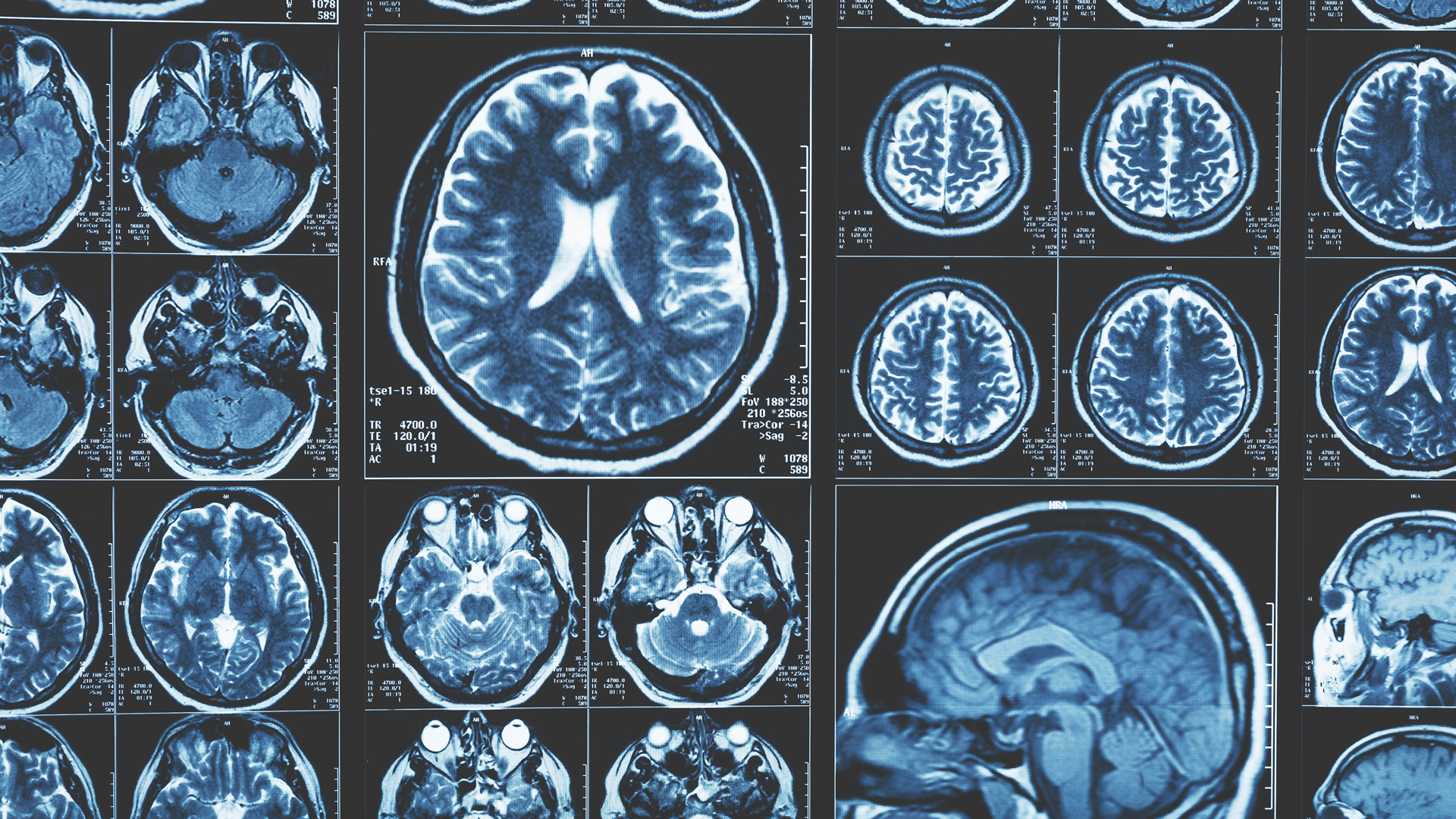
The PMDC Pilot Grants program supports translational research initiatives looking to transform the clinical care of patients with movement disorders. (Photo courtesy of Adobe Stock)
The VCU Parkinson’s and Movement Disorders Center’s (PMDC) Pilot Grants program has awarded funding to four principal investigators conducting interdisciplinary research into Parkinson’s and other movement disorders.
Three of the four awarded studies are led by early-career researchers as primary investigators, including two studies by School of Medicine students and their mentors. According to Brian Berman, M.D., director of PMDC and professor in the Department of Neurology, the predominance of early-career researchers is a testament to the pilot grant program’s role as a jumping off point for investigators.
“These grants are crucial for early-career investigators to enhance their grant writing skills, collect critical preliminary data, build a competitive research record and increase their chances of securing larger grants that will help establish their academic research careers,” Berman said.
This year’s awarded studies include research into neurodegeneration of vision following a traumatic brain injury and the economic and social barriers of Parkinson’s disease in Virginia. The researchers represent eight departments across VCU’s Schools of Medicine, Pharmacy, and Public Health and Colleges of Engineering and Health Professions.
2025-2026 PMDC Pilot Grant awardees
- Nico Druck, M.D.- Ph.D. student, Department of Biomedical Engineering, VCU College of Engineering
- Leslie Cloud, M.D., professor, Rogliano Family Endowed Chair and director of Parkinson’s Disease Program, Department of Neurology, VCU School of Medicine
- Dean Krusienski, Ph.D., professor and graduate program director, Department of Biomedical Engineering, VCU College of Engineering
GPi-Based Neural Markers of Balance and Instability in Parkinson’s Disease
This project proposes to use a bidirectional treadmill with Parkinson’s disease patients who have been implanted with Medtronic Percept Deep Brain Stimulation systems to characterize features of globus pallidus internus (GPi) local field potentials during steady walking, and during moments associated with loss of balance and perceived fall risk. Investigators propose to apply machine learning models to detect fall risk from these GPi LFP signals.
- Chelsie Poffenberger, M.D.- Ph.D. student, Department of Surgery
- Kirsty Dixon, Ph.D., associate professor, Department of Surgery
TBI-Induced Neurodegeneration of the Retina and Visual Processes
This project focuses on retinal changes that may precede the development of Alzheimer’s disease to provide predictive biomarkers and/or an avenue for novel preventative treatments. Through this study, specific neuroinflammatory pathways are expected to establish a link between TBI and cognitive changes associated with Alzheimer’s. Studying the retina as a window into Alzheimer’s pathology may enable non-invasive, predictive biomarker development for earlier diagnosis and intervention.
- Annie Rhodes, Ph.D., assistant professor, Department of Gerontology, College of Health Professions
- Diane Bishop, M.P.H., instructor, Department of Epidemiology, School of Public Health
- Matt Barrett, M.D., professor, Division of Movement Disorders, Department of Neurology
- Emily Peron, Pharm.D., associate professor, Department of Pharmacotherapy and Outcomes Science, School of Pharmacy
Quantifying Parkinson’s Disease Burden in Virginia: A Population-Based Study of Spatial and Demographic Inequities
This pilot study will develop Virginia statewide estimates of Parkinson’s disease incidence and prevalence, stratify results by race, ethnicity and gender, and identify “care deserts” by quantifying access to movement-trained neurologists. This project seeks to evaluate areas of hot spots of Parkinson’s and deserts of Parkinson’s, as well as evaluate limitations to access and barriers to diagnosis or care based on social determinants of health that can be identified using geospatial analysis.
- Dean Krusienski, Ph.D., professor, Department of Biomedical Engineering, VCU College of Engineering
- Brooke Dexheimer, Ph.D., O.T.D., assistant professor, Department of Occupational Therapy, College of Health Professions
- Kathryn Holloway, M.D., professor, Division of Functional Neurosurgery, Department of Neurosurgery
Identifying and Characterizing Local Field Potentials Associated with Visuomotor Adaptation Deficits in Patients with Essential Tremor
Essential tremor (ET) is a common movement disorder with unclear pathophysiology. Deep brain stimulation is beneficial for ET and the ventralis intermediate nucleus (VIM) in the thalamus as the DBS stimulation site. In clinic, ET patients show significant deficits in visuomotor adaptation. This proposal plans to investigate the underlying mechanisms of visuomotor adaptation deficits in ET by testing the hypothesis that faulty information on limb state, integrated with sensory feedback in the cerebellum, results in downstream dysfunction within direct cerebellar-VIM connections and contributes to visuomotor adaptation dysfunction in patients with ET.